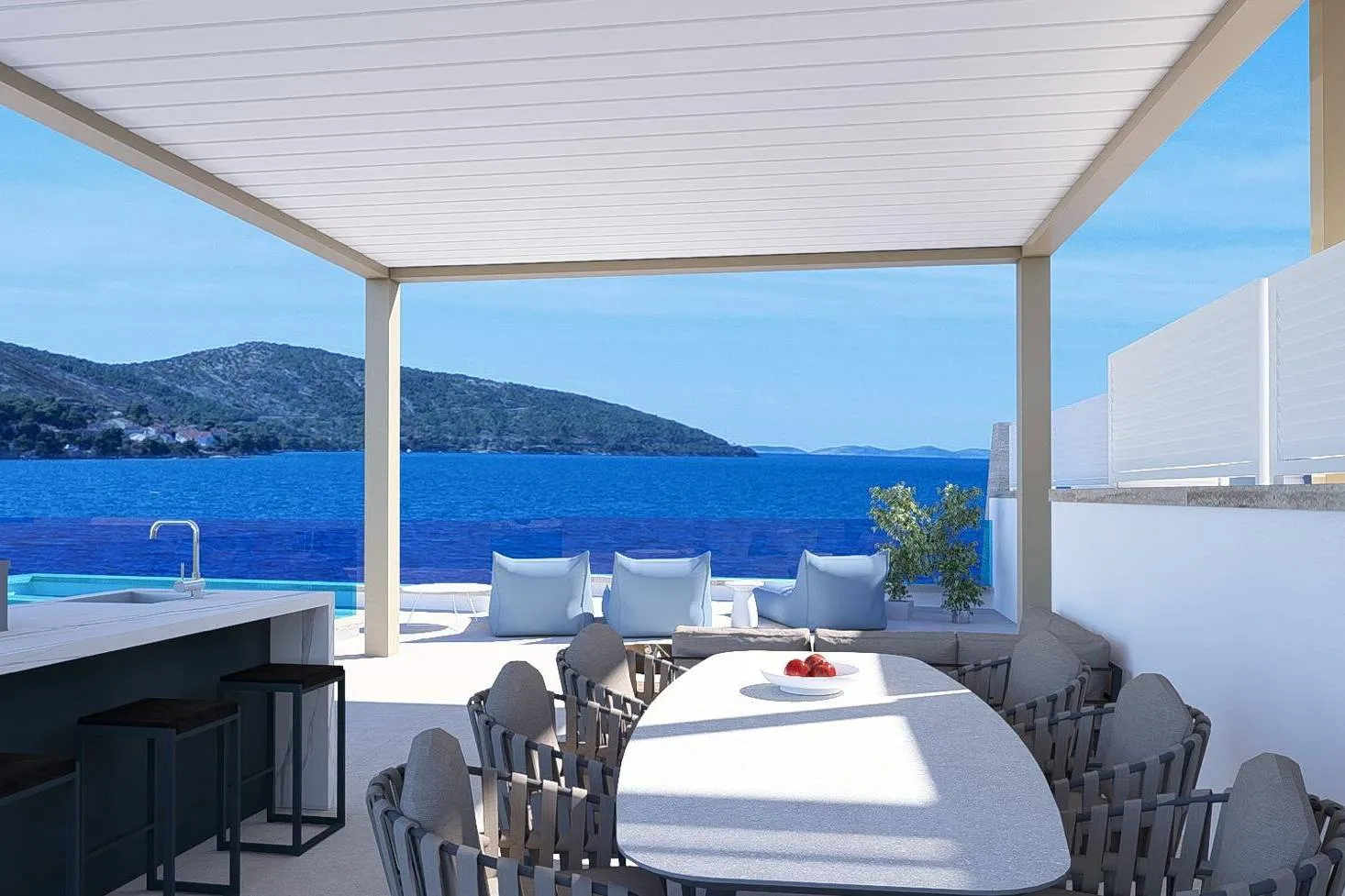
Why Croatia is the Perfect Destination for Luxury Property Investment
Luxury property investment in Croatia appeals to buyers who want an Adriatic lifestyle, a second home, or a hospitality asset with room for personal use. Croatia recorded 21.8 million tourist arrivals and 110.1 million overnight stays in 2025, according to eVisitor data published by the Croatian Government. That level of demand gives coastal property a large audience, but it does not make every villa, apartment, or development site a sound investment.
The right purchase depends on the location, the intended use, the legal status of the property, the cost of ownership, and the buyer's time horizon. A waterfront villa in Sevid, a heritage apartment in Split, and a boutique hotel in Istria may all sit in the luxury segment, but they need different financial models and different forms of due diligence.
What makes Croatia attractive to luxury property buyers?
- The Adriatic coast offers a wide choice of villas, historic homes, islands, marinas, and smaller towns within reach of international airports.
- Tourism creates a large seasonal audience for well-positioned accommodation, particularly in Istria and the coastal counties of Dalmatia.
- EU membership and the euro simplify parts of the buying process for many European purchasers.
- Croatia combines well-known destinations with quieter coastal and inland locations that suit buyers looking for a more private base.
What makes Croatia appealing beyond the coastline?
Croatia's appeal is not limited to a photograph of the sea. Buyers can choose between island homes, waterfront villas, historic townhouses, rural estates, and hospitality properties. The character of the location matters as much as the distance from the coast. Some buyers want walkable access to restaurants and a marina. Others prefer privacy, larger land plots, and a slower rhythm outside the main visitor centres.
Culture also forms part of the decision. Croatia has ten properties on the UNESCO World Heritage List, including the old cities of Dubrovnik and Trogir, the historic complex of Split with Diocletian's Palace, and the Cathedral of St James in Šibenik. These locations have a rare atmosphere, but heritage status can also bring rules on renovation, façades, materials, and conservation approvals.
That balance is worth respecting. A historic property can be a remarkable home or hospitality asset, yet it may not suit a buyer who wants a quick, unrestricted redesign. The lifestyle case and the practical case should point in the same direction.
What does Croatian tourism demand mean for a property investor?
Tourism gives owners access to a large pool of potential guests, especially on the Adriatic. In 2025, the Adriatic region accounted for 89.4 million tourist nights in commercial accommodation, or 94.3% of Croatia's total commercial tourist nights, according to the Croatian Bureau of Statistics.
Those figures show the scale of visitor demand. They do not promise occupancy, rental income, or a particular return for an individual property. A villa's performance depends on its exact location, access, views, condition, number of bedrooms, service level, booking channels, operating costs, and the length of its sellable season.
Investors should build a rental model with cautious assumptions. Include cleaning, staffing, maintenance, insurance, platform commissions, local obligations, repairs, and periods when the property is vacant. A high nightly rate can look attractive until those costs and the true season length are included. Our guide on maximizing ROI on a boutique hotel or villa examines the operating decisions behind that calculation.
Can foreign buyers purchase luxury property in Croatia?
EU citizens and legal persons from EU Member States, Iceland, Liechtenstein, and Norway can generally acquire real estate in Croatia under the same conditions as Croatian citizens and Croatian legal persons. The Croatian Government's guidance also notes that exceptions and special rules apply in certain cases, including agricultural land.
Buyers from outside those states should confirm their position before making an offer. The Croatian Government explains that a non-EU buyer may need to meet reciprocity requirements and obtain consent through the prescribed process. The correct route depends on the buyer's nationality, the type of property, and the intended transaction structure.
Property ownership and residence status are separate questions. A third-country national who wants to stay in Croatia for more than 90 days needs an approved basis for temporary residence. Before relying on online claims about visas or residency through property ownership, speak with a Croatian immigration lawyer and check the current rules published by the Ministry of the Interior.
How should a buyer assess property prices in Croatia?
Price comparison should start with recent evidence from the specific micro-location, not with broad claims that Croatia is cheaper than another Mediterranean country. A seafront property near Trogir, a penthouse in Split, and a villa in inland Istria may follow very different markets even when they share a similar asking price.
National price data gives useful context. Eurostat reported that Croatian house prices were 16.1% higher in the fourth quarter of 2025 than a year earlier. That figure covers the residential market as a whole, not only luxury homes or coastal villas. It is a reminder that a buyer needs current local comparables, not a shortcut to future price growth.
Ask for evidence of comparable sales, not only comparable asking prices. Check the condition, land size, planning status, sea access, parking, privacy, build quality, and any work needed after completion. A lower entry price can be sensible. It can also signal a problem that will be expensive to solve.
Why do legal status and due diligence matter so much?
A luxury property purchase should include a full review of ownership, title, access, permits, building documentation, land boundaries, and any restrictions that affect the intended use. The work becomes more detailed when the buyer plans to renovate, rent to guests, develop the land, or purchase through a company.
For a coastal villa, due diligence may focus on legal access, parking, condition, maintenance exposure, wastewater systems, and the permits relevant to the existing building. For a hotel, it may include operating accounts, licences, staff arrangements, booking channels, supplier contracts, and capital expenditure. A development site requires an appraisal of planning potential, infrastructure, ground conditions, construction costs, and timing.
It is tempting to treat a view or an address as the main source of value. In practice, title clarity, usable access, compliant documentation, and a realistic operating plan can matter just as much. Bono Modo's project management service can help clients coordinate the work that follows an acquisition, including renovation and development planning.
How can an owner protect the long-term value of a Croatian property?
Long-term value comes from keeping the property relevant to the people who will use it. For a private owner, that may mean low-maintenance materials, good access, privacy, and a home that works in every season. For a rental property, it may mean professional photography, reliable operations, thoughtful guest services, and a budget for regular upgrades.
Heritage properties need a different mindset. Their character can be the reason a buyer falls in love with them, but that character must be maintained with care. Before purchasing in a protected area, establish what can be changed, which approvals will be needed, and how those rules affect the programme and cost of any renovation.
Owners who plan to hold a property should also think about succession, management, and the cost of inactivity. A beautiful home that sits empty for most of the year still needs security, maintenance, insurance, and someone local who can respond when a problem arises.
What should a buyer ask before investing in Croatia?
Start with the intended use. Will the property be a family base, a rental business, a hotel, a future development, or a mix of those roles? Then ask what evidence supports the purchase price, which costs are recurring, and who will manage the property after closing.
Ask the seller or adviser for the documents needed for professional review. A buyer should also know whether the property has any planning, ownership, access, construction, heritage, or rental issues that could affect the deal. If the answer is unclear, pause the process until the right adviser has reviewed it.
A purchase is stronger when the buyer can explain in one sentence why the asset is worth owning. “It has a great view” is not enough. “It is a well-documented, four-bedroom villa with year-round access, a realistic rental plan, and manageable operating costs” is a far better starting point.
Frequently asked questions about luxury property investment in Croatia
Is Croatia a good place to buy a luxury holiday home?
Croatia can suit buyers looking for an Adriatic lifestyle, good air connections, historic towns, islands, and a wide choice of coastal locations. The right choice depends on the buyer's preferred season, privacy needs, access requirements, budget, and willingness to manage the property when it is not in use.
Can a foreign buyer rent out a Croatian property?
A foreign owner may be able to rent a property, but the permitted form of rental, registration requirements, tax treatment, local rules, and operating obligations must be checked before the purchase. Buyers should obtain current advice from a Croatian lawyer, accountant, and hospitality professional where relevant.
Does buying a Croatian property provide residency?
Property ownership does not automatically give a buyer the right to live in Croatia long term. Non-EU buyers should treat the property purchase and the residence application as separate processes. The Ministry of the Interior publishes the current categories and conditions for temporary and longer-term stays.
Are historic properties in Dubrovnik, Split, or Trogir good investments?
Historic properties can have strong personal appeal and scarcity value, but they need careful review. Conservation rules, renovation approvals, access limits, building condition, and the practical use of the property can materially affect cost, timing, and future flexibility. Buy the property for its real condition and permitted use, not only for its address.
Luxury property investment in Croatia needs a specific plan
Croatia offers a distinctive mix of coastline, culture, tourism, and varied property types. The best investment case is always specific: a particular location, a defined use, verified documentation, a realistic budget, and a clear plan for ownership after completion.
To discuss a villa, historic property, hospitality asset, or development opportunity in Croatia, contact Bono Modo.